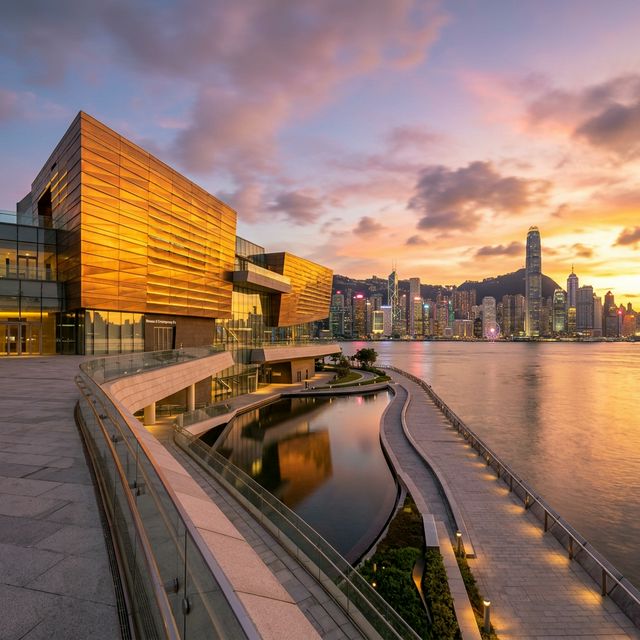
Modern museum architecture at waterfront during golden hour sunset
πŸ“ Hong Kong, China

Your Essential Guide to
Hong Kong Palace Museum

Expert travel tips, exhibition highlights, and everything you need to plan the perfect visit to one of Asia's most remarkable cultural institutions in the West Kowloon Cultural District.

πŸ“– 12 In-Depth Articles ⏱️ 18 min read πŸ“… Updated March 2026
Explore Articles ↓

A Gateway to 5,000 Years of Chinese Culture

The Hong Kong Palace Museum, located in the heart of the West Kowloon Cultural District, is one of Asia's most significant cultural landmarks. Opened in July 2022 to coincide with the 25th anniversary of Hong Kong's reunification with China, the museum serves as a bridge between centuries of imperial heritage and contemporary artistic expression.

With over 900 priceless treasures from the Palace Museum in Beijing β€” many displayed outside the mainland for the first time β€” the HKPM offers visitors an extraordinarily rare opportunity to experience Chinese art, history, and craftsmanship spanning five millennia.

2022 Year Opened
30,500mΒ² Exhibition Space
900+ Treasures Displayed
9 Gallery Spaces

In-Depth Articles & Guides

Everything you need to know before visiting Hong Kong Palace Museum

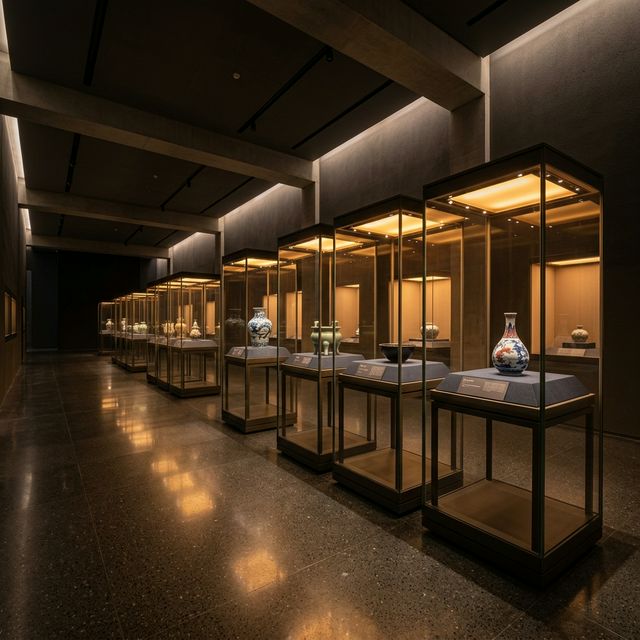
Museum gallery interior with ancient Chinese ceramics Essential Guide
πŸ“… March 15, 2026 ⏱️ 5 min read

Complete First-Timer's Guide to the Hong Kong Palace Museum

Planning your first visit to HKPM? This comprehensive guide covers everything from getting there and navigating the galleries to essential tips that will make your museum experience unforgettable.

The Hong Kong Palace Museum spans 30,500 square metres across multiple floors, housing nine distinct gallery spaces. For first-time visitors, the sheer scale can be overwhelming, so having a plan is essential. Galleries 1 through 7 showcase thematic exhibitions drawn from the Palace Museum's permanent collection, while Galleries 8 and 9 host rotating special exhibitions.

Start your visit at Gallery 1, which provides an overview of the Forbidden City's architecture and history β€” an ideal foundation for understanding the context of the art you'll encounter throughout the museum. Allocate at least two to three hours for a thorough visit, though art enthusiasts may want to dedicate an entire day.

The museum is designed with a vertical central axis, a modern reinterpretation of the Forbidden City's traditional horizontal layout. As you ascend through the floors, you journey through different periods and themes of Chinese cultural history. The building itself, designed by Rocco Design Architects, is a work of art β€” its bronze-textured facade inspired by ancient Chinese ritual bronzes.

Pro tip: Visit on weekday mornings for the smallest crowds. Friday and Saturday evenings (the museum stays open until 8 PM) offer a particularly atmospheric experience with fewer visitors and dramatic lighting in the galleries.
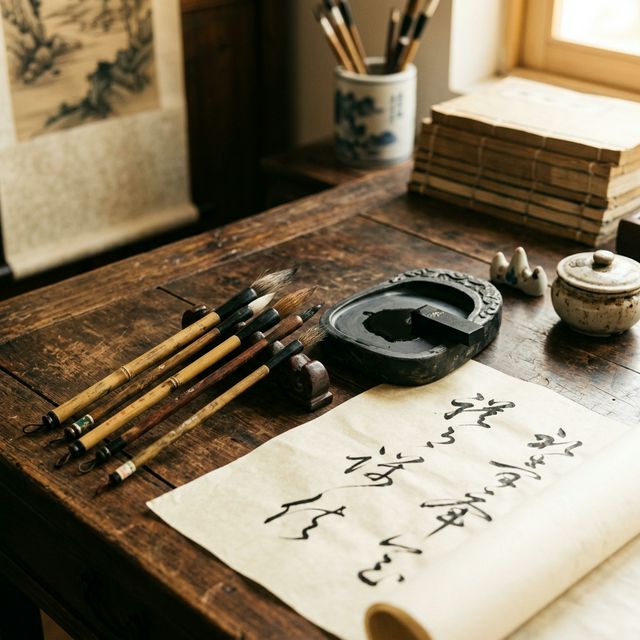
Traditional Chinese calligraphy brushes and inkstone Exhibitions
πŸ“… March 12, 2026 ⏱️ 4 min read

Must-See Exhibitions at HKPM in 2026

Discover the blockbuster exhibitions currently on display, from ancient Egyptian artefacts to Ming Dynasty ceramics and the stunning global jewellery collection from The Metropolitan Museum of Art.

The year 2026 is shaping up to be one of the most exciting in the HKPM's young history. The museum's curatorial team has assembled a remarkable lineup of cross-cultural exhibitions that showcase treasures from around the world alongside its core Chinese art collection.

One of the headline attractions is "Ancient Egypt Unveiled: Treasures from Egyptian Museums", running through August 2026. This groundbreaking exhibition brings rare Egyptian artefacts to Hong Kong for the first time, creating a fascinating dialogue between two of the world's oldest civilisations.

Art lovers won't want to miss "Brilliance: Ming Dynasty Ceramic Treasures from the Palace Museum", featuring over 100 representative ceramics from one of China's most celebrated artistic periods. The exhibition traces the evolution of ceramic production from 1368 to 1644, showcasing the technical mastery and artistic innovation of Ming dynasty potters.

Later in 2026, "Treasures of Global Jewellery from The Metropolitan Museum of Art: The Body Transformed" will mark The Met's debut in the Greater Bay Area, displaying nearly 4,000 years of global jewellery heritage. This is a once-in-a-generation opportunity to see these pieces outside of New York.

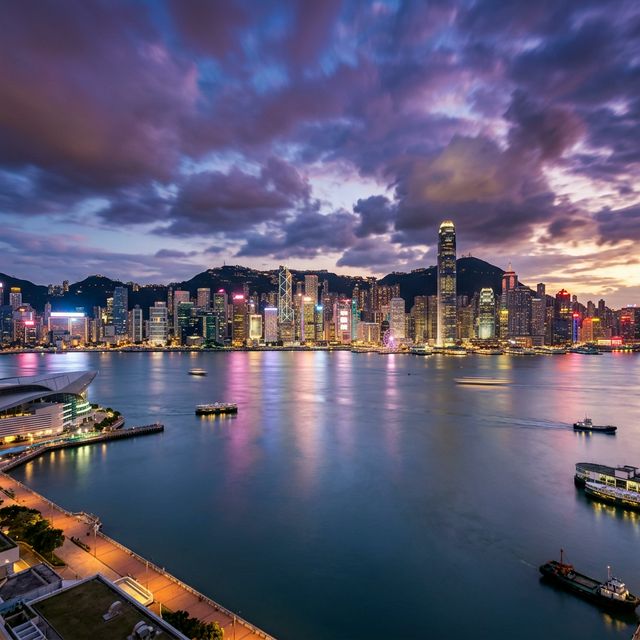
Victoria Harbour panorama at twilight Architecture
πŸ“… March 8, 2026 ⏱️ 4 min read

The Architecture: Where Imperial Heritage Meets Modern Design

The HKPM building itself is a masterpiece of modern architecture, designed by Rocco Design Architects to bridge the gap between imperial grandeur and contemporary innovation.

Designed by Hong Kong-based Rocco Design Architects, the museum's 328,000-square-foot structure is a bold statement that bridges millennia of architectural tradition. The building's form draws inspiration from ancient Chinese ceremonial cauldrons β€” massive bronze vessels used in imperial rituals β€” resulting in a distinctive facade with rich, golden-bronze textures.

The museum follows a vertical central axis, a radical reinterpretation of the Forbidden City's famously horizontal layout. Where Beijing's imperial palace stretches across 180 acres, the HKPM compresses that journey into a vertical ascent, guiding visitors upward through increasingly intimate gallery spaces.

Inside, the atrium soars through multiple floors, creating dramatic sight lines and flooding natural light into the interior. The careful interplay between enclosed galleries and open social spaces prevents museum fatigue and creates natural rest points throughout any visit.

The rooftop terrace offers a stunning panoramic view of Victoria Harbour, the Hong Kong skyline, and the surrounding West Kowloon Cultural District β€” making it one of the best photography locations in the entire precinct.

Museum gallery with traditional Chinese art display History
πŸ“… March 5, 2026 ⏱️ 5 min read

History & Heritage: From the Forbidden City to Hong Kong

Trace the remarkable journey of imperial treasures from Beijing's Forbidden City to the waterfront of Victoria Harbour, and understand the cultural significance of this historic collaboration.

The story of the Hong Kong Palace Museum begins in Beijing's Forbidden City β€” the 72-hectare imperial palace that served as the seat of Chinese emperors for nearly 500 years. The Palace Museum, established in 1925, houses a collection of over 1.86 million artefacts, making it one of the largest collections of Chinese imperial art and antiquities in the world.

The idea of bringing these treasures to Hong Kong emerged from a cultural collaboration between the Palace Museum in Beijing and the West Kowloon Cultural District Authority. The partnership was formalised in 2017, and ground broke for the new museum in 2019.

The HKPM's opening on July 2, 2022 β€” the 25th anniversary of Hong Kong's reunification with China β€” carried deep symbolic weight. It represented not just the transfer of art, but the continuation of a cultural dialogue spanning centuries. Many of the 900+ pieces on display had never left the mainland before, making the HKPM a genuinely unprecedented cultural event.

Today, the museum operates with an independent curatorial team, developing rotating exhibitions that contextualise Chinese art alongside international collections. This approach positions the HKPM as a true bridge between East and West β€” a fitting role for Hong Kong, one of the world's great crossroads cities.

Chinese art supplies and calligraphy materials Art & Culture
πŸ“… March 1, 2026 ⏱️ 4 min read

Understanding Chinese Art: A Beginner's Primer

Not sure what you're looking at? This accessible guide introduces the major categories of Chinese art β€” ceramics, calligraphy, painting, jade, and bronze β€” with context that will enrich your museum visit.

Chinese ceramics represent perhaps the most celebrated art form you'll encounter at the HKPM. China literally gave the world "china" β€” fine porcelain. Look for the telltale blue-and-white patterns of Ming dynasty wares and the subtle celadon glazes of Song dynasty pieces. The museum's ceramics collection spans centuries and demonstrates the evolution from utilitarian pottery to high imperial art.

Calligraphy is revered in Chinese culture as the highest form of visual art. When viewing calligraphy at the HKPM, pay attention to the energy and rhythm of each brushstroke. Master calligraphers spent decades perfecting their technique, and each piece tells a story not only through its words but through the personality expressed in every curve and flourish.

Jade carving holds deep spiritual significance in Chinese culture. Jade has been associated with virtue, purity, and immortality for over 5,000 years. The skill required to carve nephrite or jadeite without modern tools is staggering β€” some pieces represent years of painstaking work by master craftsmen.

Bronze vessels, many dating back 3,000 years, were used in imperial rituals and ceremonies. The intricate designs cast into these vessels β€” from mythical beasts to geometric patterns called taotie β€” offer a window into the spiritual and political world of ancient China.

Hong Kong skyline and harbour view Travel Tips
πŸ“… February 25, 2026 ⏱️ 3 min read

How to Get There: Transportation Guide to HKPM

The museum's location in the West Kowloon Cultural District makes it easily accessible by MTR, bus, taxi, and even ferry. Here's your complete transportation guide.

The fastest way to reach the HKPM is via the MTR (Mass Transit Railway). Take the Tung Chung Line or Airport Express to Kowloon Station, then use the covered walkway (about 15 minutes) or take a shuttle bus to the Cultural District. Alternatively, Austin Station on the West Rail Line is also within walking distance.

Multiple bus routes serve the West Kowloon area, including routes 11, 215X, and W1. The dedicated W1 shuttle runs between the Cultural District and various key locations in Kowloon. Check the latest schedules as these are updated regularly.

For a scenic approach, the Star Ferry to Tsim Sha Tsui pier puts you within a pleasant 20-minute waterfront walk of the museum. This route takes you along the iconic harbourfront promenade β€” an attraction in its own right, especially at sunset.

Taxis are abundant in Hong Kong and relatively affordable. Simply tell the driver "West Kowloon Cultural District" or show the Chinese characters θ₯ΏδΉζ–‡εŒ–區. From Central, the ride typically takes 10-15 minutes and costs around HK$50-80.

Museum architecture at golden hour Family Travel
πŸ“… February 20, 2026 ⏱️ 4 min read

Family-Friendly Guide: Visiting HKPM With Children

The museum's Palace Academy offers Hong Kong's largest dedicated museum learning space, with hands-on activities and workshops designed to engage young minds in Chinese cultural heritage.

The Palace Academy is the largest dedicated museum learning space in Hong Kong, specifically designed to make Chinese art and culture accessible and exciting for younger visitors. Interactive workshops, storytelling sessions, and hands-on craft activities run throughout the week, allowing children to connect with historical artefacts in meaningful ways.

For families with toddlers, the museum provides baby care facilities and accessible toilets throughout the building. Pushchairs are permitted in the galleries, though during busy periods the museum recommends using a baby carrier for ease of movement through crowded exhibition spaces.

Many of the digital and immersive exhibitions are particularly appealing to children. Large-scale projections, interactive touchscreens, and augmented reality features bring ancient artefacts to life in ways that captivate young imaginations. Gallery 7 frequently hosts family-oriented digital experiences.

Timing tip: Visit during weekday mornings when school groups are less common. Saturday mornings tend to be the busiest family periods. The museum gift shop carries an excellent range of age-appropriate books and creative kits related to Chinese art and culture.

Gallery interior with carefully lit displays Photography
πŸ“… February 15, 2026 ⏱️ 3 min read

Photography Tips & Best Spots Inside the Museum

Photography is allowed in most galleries (no flash or selfie sticks), and the museum's architecture and lighting create stunning opportunities. Here are the best spots and settings.

Good news for photographers: non-flash photography is permitted in most HKPM galleries. Selfie sticks and tripods are not allowed, but modern smartphone cameras and mirrorless cameras perform excellently in the museum's carefully designed lighting environments.

The main atrium offers arguably the most dramatic architectural photographs. The soaring vertical space, crossed by walkways and bathed in natural light, creates geometric compositions that are particularly striking in black and white. Morning light tends to be most flattering here.

For artefact photography, switch to manual mode or shutter priority. Gallery lighting is deliberately atmospheric but can trick auto-exposure into overexposing. A slight underexposure (–0.5 to –1 EV) often produces more dramatic results that better capture the mood of the exhibitions.

The rooftop terrace is the museum's undisputed photography crown jewel. The panoramic views of Victoria Harbour, especially during golden hour and at night, rival anything you'll capture on Victoria Peak. Arrive 30 minutes before sunset for the best light.

Victoria Harbour skyline view Nearby Attractions
πŸ“… February 10, 2026 ⏱️ 4 min read

Nearby Attractions: What Else to Do in West Kowloon

The West Kowloon Cultural District is packed with world-class venues. Here's how to combine your HKPM visit with other must-see attractions in the neighbourhood.

The West Kowloon Cultural District is Hong Kong's most ambitious cultural project, spanning 40 hectares of reclaimed harbourfront land. The HKPM sits alongside several other world-class venues, making it easy to build a full day (or weekend) of cultural exploration.

M+ Museum, Asia's first global museum of contemporary visual culture, is the HKPM's nearest neighbour. With over 48,000 works spanning art, design, architecture, and moving image, M+ offers a perfect counterpoint to HKPM's focus on historical Chinese art. The two museums can easily be visited on the same day.

The Art Park and waterfront promenade provide a beautiful outdoor space for relaxation between museum visits. The park features public art installations, grassy lawns perfect for picnics, and unobstructed views of Victoria Harbour. Evening visits are particularly magical when the Symphony of Lights show illuminates the skyline.

A short MTR ride away, Tsim Sha Tsui offers the Hong Kong Museum of Art, the Avenue of Stars, and some of the city's best dining options. Nathan Road's bustling night markets provide a perfect contrast to the serene museum environment.

Traditional Chinese art materials Culture
πŸ“… February 5, 2026 ⏱️ 4 min read

Cultural Significance: Why the HKPM Matters Globally

The Hong Kong Palace Museum represents something far greater than a collection of beautiful objects. It's a statement about cultural identity, international dialogue, and the role of museums in the 21st century.

The HKPM occupies a unique position in the global museum landscape. It is the only dedicated outpost of Beijing's Palace Museum, serving as a cultural ambassador that brings imperial Chinese art to an international audience through the cosmopolitan lens of Hong Kong.

What makes the HKPM particularly significant is its cross-cultural curatorial approach. Rather than simply displaying Chinese art in isolation, the museum actively seeks dialogues between Chinese and international collections β€” as evidenced by collaborations with The Metropolitan Museum of Art, Egyptian museums, and European institutions.

The museum also plays a vital role in arts education. The Palace Academy runs extensive programmes for schools, universities, and the general public, ensuring that Chinese cultural heritage is not merely preserved but actively transmitted to new generations. This educational mission extends to digital platforms, making the museum's resources accessible globally.

In a world where cultural diplomacy is increasingly important, the HKPM demonstrates how museums can serve as bridges between civilisations, fostering mutual understanding through the universal language of art and beauty.

Museum waterfront at sunset Food & Dining
πŸ“… January 28, 2026 ⏱️ 3 min read

Where to Eat: Dining Options Near the Museum

From the museum's own restaurant to the West Kowloon dining scene, there's no shortage of excellent food options to complement your cultural visit.

The HKPM houses its own in-museum restaurant, offering a curated menu that draws inspiration from imperial Chinese cuisine. The dining space features harbour views and is ideal for a mid-visit lunch or pre-exhibition dinner on extended-hours evenings. Reservations are recommended, especially on weekends.

The West Kowloon Cultural District has developed a growing food and beverage scene. Several cafΓ©s and casual dining options are scattered around the Art Park, offering everything from artisan coffee to dim sum β€” perfect for a quick recharge between museum galleries.

For a more extensive dining experience, nearby Tsim Sha Tsui is Hong Kong's culinary heartland. From Michelin-starred Cantonese restaurants to hole-in-the-wall cha chaan teng (Hong Kong-style tea restaurants), the area delivers extraordinary food at every price point. Try the legendary Tim Ho Wan for affordable dim sum β€” yes, the world's cheapest Michelin-starred restaurant.

Budget tip: Hong Kong's convenience stores (7-Eleven and Circle K) near the MTR stations offer surprisingly good quality ready-to-eat meals, drinks, and snacks β€” perfect for fuelling a full day of museum exploration without breaking the bank.

Hong Kong harbour at night Accessibility
πŸ“… January 20, 2026 ⏱️ 3 min read

Accessibility & Mobility Guide for HKPM Visitors

The museum has been designed with universal access in mind. Here's everything you need to know about wheelchair access, assistance services, and facilities for visitors with disabilities.

The HKPM was designed from the ground up with universal accessibility as a core principle. All gallery floors are connected by lifts, and gallery spaces feature wide pathways that accommodate wheelchairs and mobility scooters. Barrier-free facilities are available throughout the building.

Accessible toilets are located on every floor, and baby care rooms are available for families with infants. The museum provides hearing loop systems in the 400-seat theatre and selected gallery spaces for visitors with hearing impairments.

For visitors with visual impairments, the museum offers tactile guides and audio descriptions for selected exhibitions. Staff members are trained to provide assistance, and guide dogs are welcome in all areas of the museum.

The museum's bag storage service is particularly useful for visitors with mobility challenges β€” items larger than 55cm Γ— 35cm Γ— 20cm must be stored at the entrance, reducing the burden of carrying large bags through the galleries. Wheelchairs are available for loan at the museum entrance on a first-come, first-served basis.

Essential Visitor Tips

Practical advice to make the most of your Hong Kong Palace Museum visit

⏰

Best Times to Visit

Weekday mornings see the fewest crowds. Friday and Saturday evenings (open until 8 PM) offer a magical atmospheric experience with dramatic gallery lighting.

πŸŽ’

What to Bring

Keep bags under 55Γ—35Γ—20 cm. Bring a light jacket (galleries are air-conditioned), comfortable shoes for standing, and a fully charged camera phone.

πŸ“±

Digital Resources

Download the museum's official app for audio guides, exhibition information, and interactive maps. Free Wi-Fi is available throughout the museum.

πŸ“Έ

Photography Rules

Non-flash photography is permitted in most galleries. No selfie sticks, tripods, or flash. Some special exhibitions may have additional restrictions.

πŸ—“οΈ

Closed Days

The museum is closed every Tuesday (except public holidays) and during the first two days of Lunar New Year. Opening hours: Mon/Wed-Sun 10AM-6PM, Fri-Sat 10AM-8PM.

🎁

Gift Shop

The museum shop offers beautifully curated gifts inspired by the collection β€” from silk scarves to ceramic replicas. It's worth browsing even if you're not buying.

Seasonal Guide

What to expect at HKPM throughout the year

🌸

Spring

March – May
  • Pleasant temperatures (22-28Β°C)
  • New exhibition openings season
  • Perfect for harbour walks
  • Book ahead for Easter holidays
β˜€οΈ

Summer

June – August
  • Hot and humid (28-33Β°C)
  • Air-conditioned museum relief
  • Summer workshops for kids
  • Extended Friday/Sat hours ideal
πŸ‚

Autumn

September – November
  • Best weather (20-28Β°C, low humidity)
  • Peak tourism season
  • Major exhibition launches
  • Book tickets well in advance
❄️

Winter

December – February
  • Cool and dry (14-20Β°C)
  • Festive holiday exhibitions
  • Lunar New Year closure (2 days)
  • Fewer crowds on weekdays

Frequently Asked Questions

The museum is open Monday, Wednesday, Thursday, and Sunday from 10:00 AM to 6:00 PM. On Fridays, Saturdays, and public holidays, hours extend from 10:00 AM to 8:00 PM. The museum is closed every Tuesday (except public holidays) and during the first two days of the Lunar New Year. Last entry is one hour before closing.

Take the MTR Tung Chung Line or Airport Express to Kowloon Station, then walk via the covered walkway (about 15 minutes) or take a shuttle bus. Austin Station on the West Rail Line is also within walking distance. Multiple bus routes serve the area, and the Star Ferry to Tsim Sha Tsui pier is about 20 minutes' walk away.

Non-flash photography is generally permitted in most galleries. However, flash photography, selfie sticks, and tripods are prohibited. Some special exhibitions may have additional photography restrictions, which will be clearly posted at the gallery entrance.

Items larger than 55cm Γ— 35cm Γ— 20cm are not permitted, including large bags, luggage, long umbrellas, folding chairs, and stools. The museum provides bag storage at the entrance. Food and drinks are not allowed in the gallery spaces.

Yes! The Palace Academy is the largest dedicated museum learning space in Hong Kong, offering interactive workshops and activities for children. Baby care facilities are available, pushchairs are permitted, and many digital exhibitions are particularly engaging for younger visitors.

A general visit covering the main thematic exhibitions typically takes 2-3 hours. If you also plan to see special exhibitions in Galleries 8 and 9, allow 3-4 hours. Art enthusiasts who want to explore every gallery in depth should consider dedicating a full day, taking advantage of the museum's restaurant and cafΓ© for breaks.